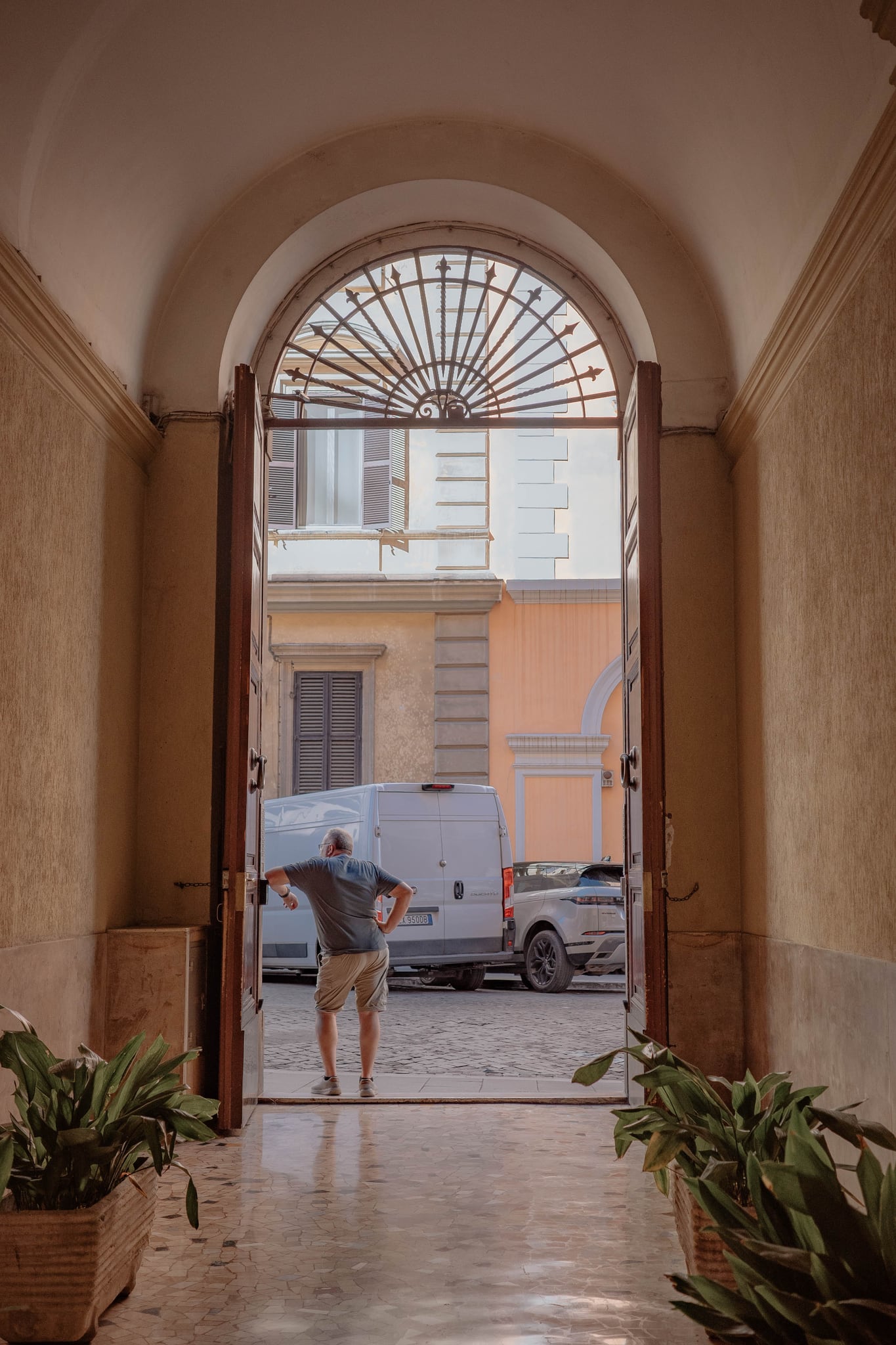
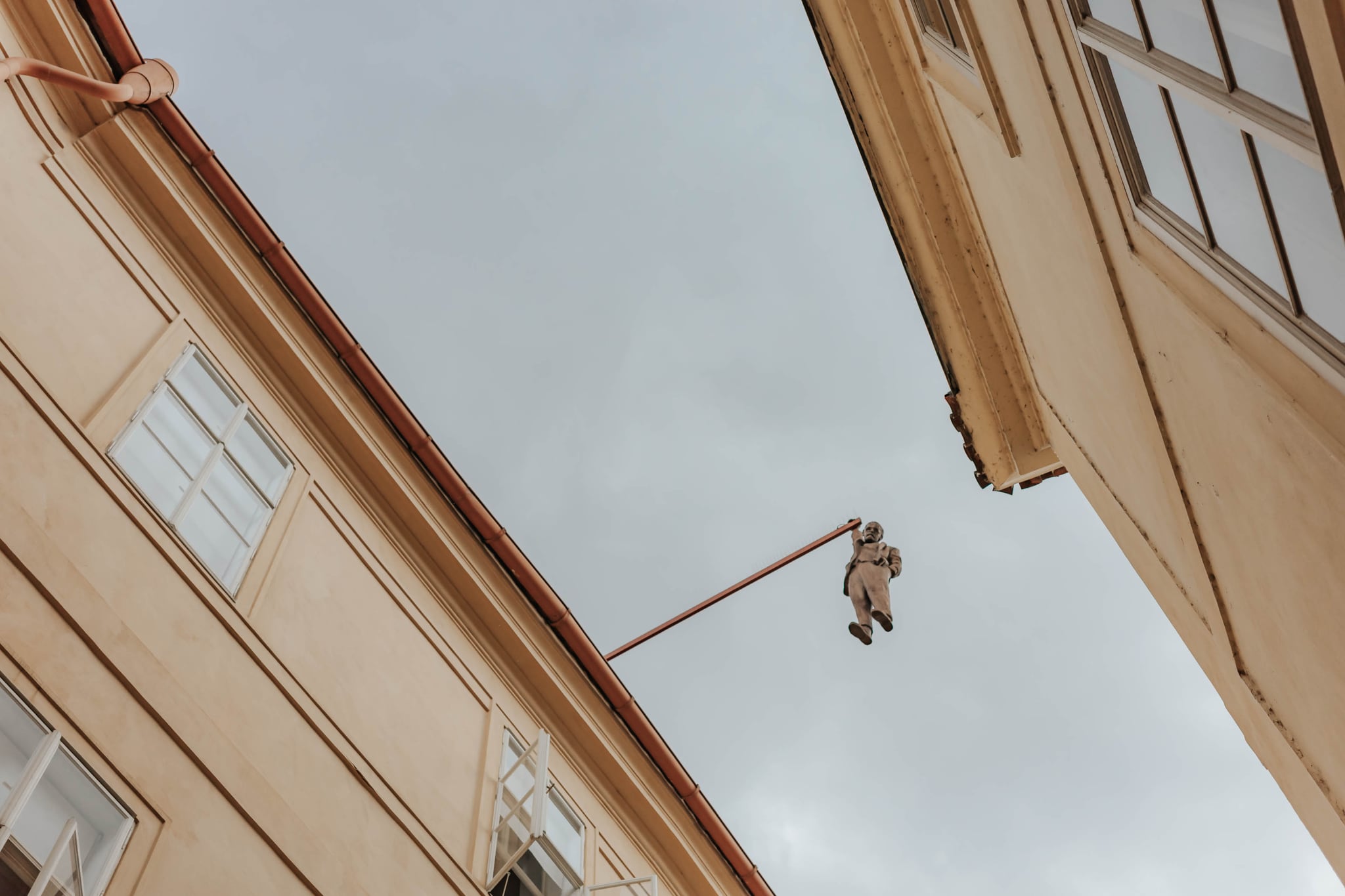
Only After the Journey Ended Did I Truly See the Cities: A 33-Day Europe Backpacking Trip, One Year Later
In the summer of 2025, I traveled to Europe with a friend of thirty years. A year later, I reopened the photo album.
Stories I had missed while dragging my exhausted body to the next city on a hectic backpacking trip were now beginning to speak to me, belatedly, through the photographs.
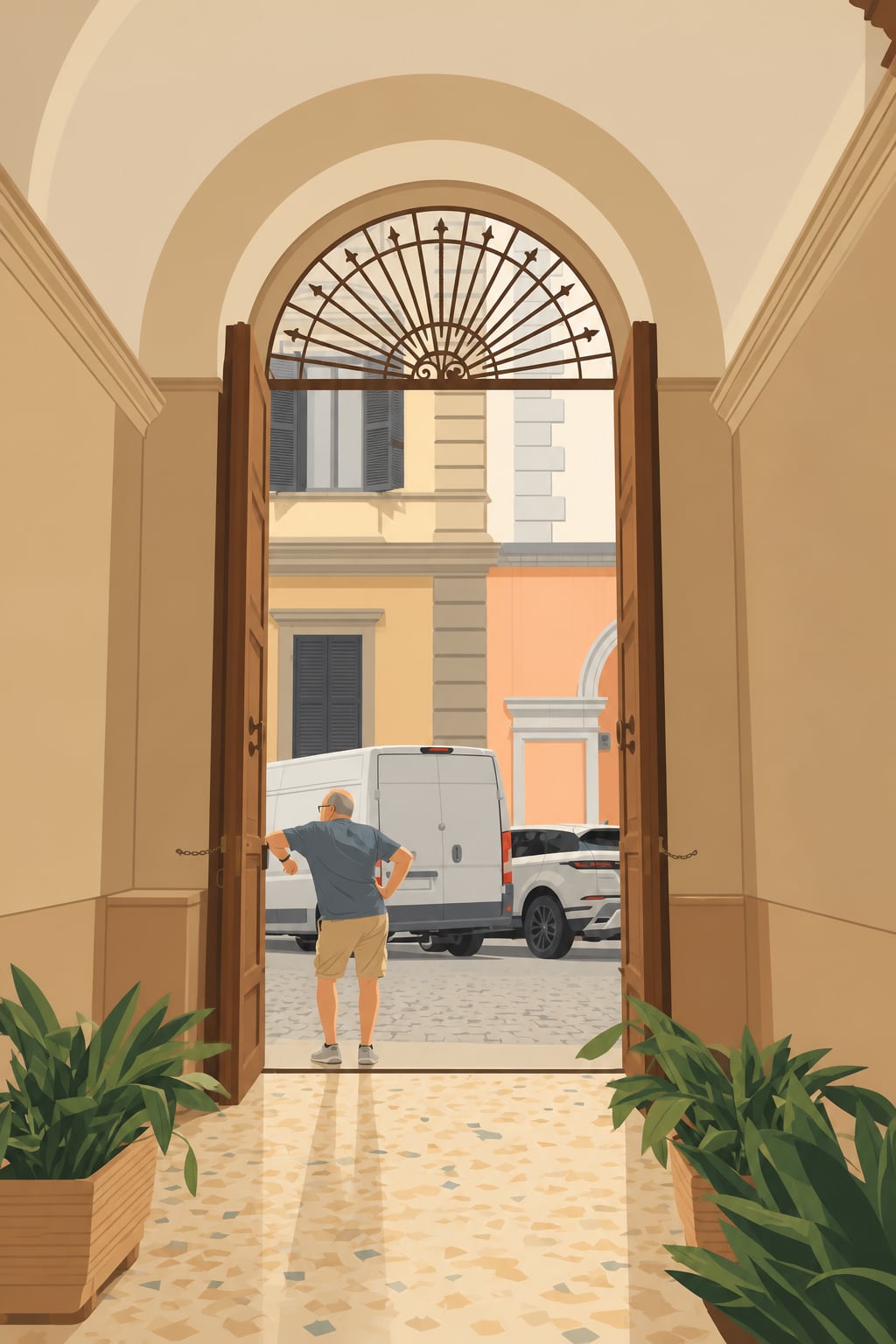
Starting in Rome, we passed through Florence and Venice, crossed the Alps into Central Europe, flew from Prague to Lisbon, passed through Porto, and continued on to Madrid and Barcelona.
33 days.
8 countries.
Around 20 cities.
At the time, I thought I had seen quite a lot.
And indeed, plenty of photographs remain.
The Colosseum in Rome, the giant dome in Florence, Venice looking as though it floats on water.
The mountains and lakes of the Alps, the nights of Budapest, the palaces of Vienna, the old streets of Prague, and the sunsets of Porto are all preserved in those images just as they were.
Yet as I flipped through the photos, a strange thought occurred to me.
I had certainly visited these places and seen so much. But what was it, really, that I had seen?
The photos had been there for a year, but the questions only arrived a year later.
I paused for a while in front of the photo of the Colosseum.
While traveling, I took pictures simply because it was such a famous place.
But looking at them now, a completely different question crossed my mind.
How has that building managed to endure for nearly two thousand years?
Not twenty years,
Not two hundred years,
But two thousand...
Venice was even stranger.
I had been busy raising my camera at every canal and alleyway, but looking at the photos now, this was the question that resurfaced:
How on earth do those heavy buildings stand upon the water?
Looking at the Duomo in Florence,
I wondered how people six hundred years ago, in an era without cranes or computers, managed to build such a massive dome.
How did they get it all up there?
Or did they not lift it at all? Did they build it right in place? How did they construct the very top of a dome that large?
In Switzerland, it was a bit different. Before I could even think of asking any questions, I was simply overwhelmed by the majesty of the mountains and lakes.
The scene at Germany’s English Garden at 4:30 p.m. on a Wednesday was the shock of my life.
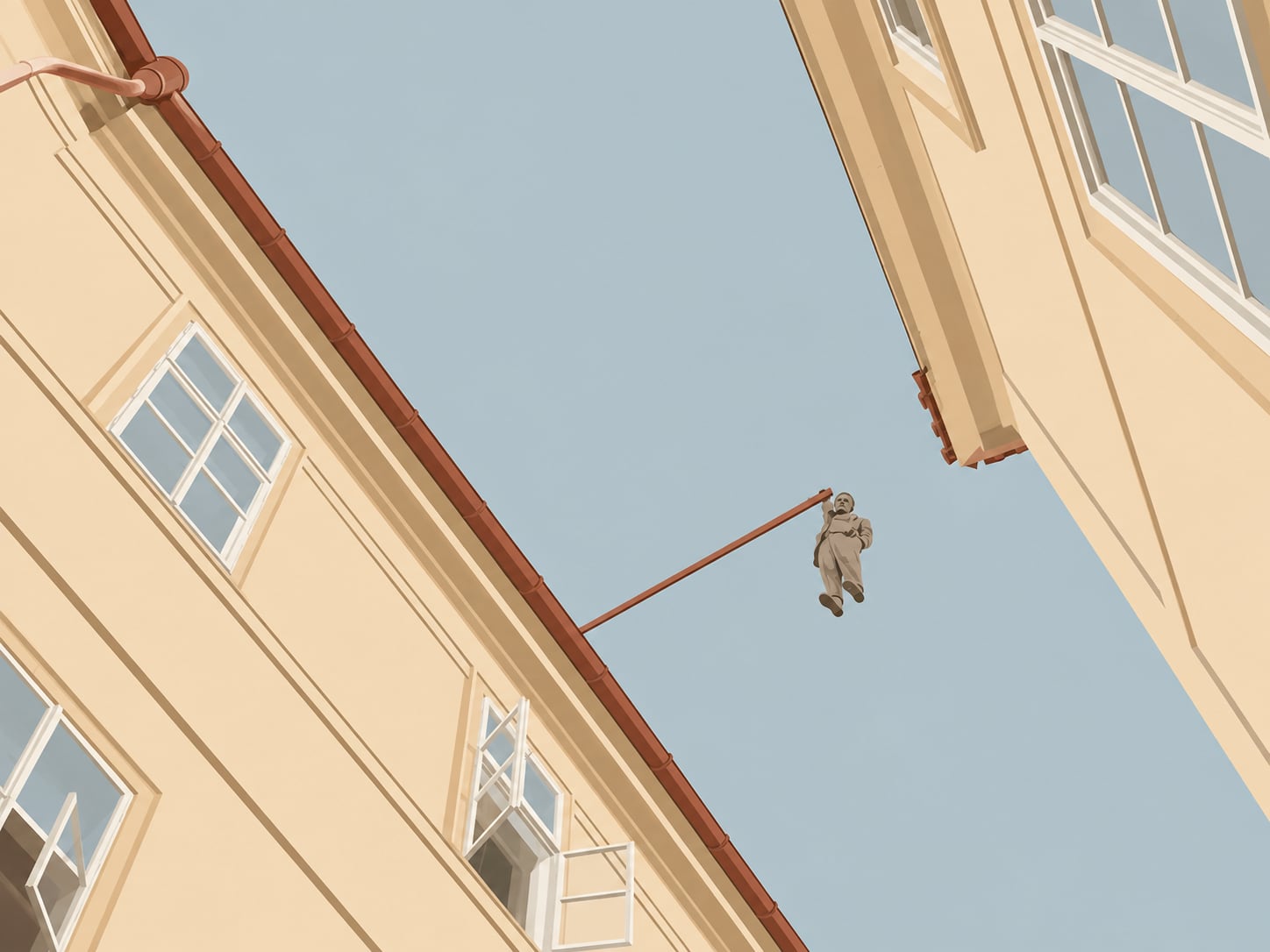
Looking back at the old streets of Prague, I found myself thinking, 'Why did Černý have to hang Freud in a place like that?'
I wondered why, in a Europe that had weathered so many wars, some cities preserved so much of their original character,
while others were reborn as entirely different places.
The landscapes in the photos remained unchanged. What had changed were my questions.
I saw a lot, but never got to look for long.
Looking back, there was hardly any time to ask questions during that trip.
The next train,
the next place to stay,
the next thing to see,
the next food to eat,
and the city I had to reach the following day.
As we prepared for our month-long trip to Europe, we put together a pretty tight schedule. My friend mentioned that he wanted to try the kind of backpacking trip he had missed out on in his twenties. So, even though I wasn't physically prepared, I steeled myself for the journey.
There were days when we left one city in the morning, walked through another during the day, and caught yet another train by evening.
We wanted to see as much as possible.
If possible, just one more sight.
I wanted to experience more—from higher places, across wider spaces, and in as many ways as possible.
I don't regret traveling this way.
Had we not moved so quickly, there are many cities I likely would never have visited in my lifetime.
Seeing distinct cities one after another in a short span had its own charm, making them easy to compare.
The problem wasn't having seen so much. It was assuming that simply because I had seen a lot, I understood a lot.
A year later, something interesting happened.
The train schedules and hotel reservations remained meticulously recorded, but much of what I had learned or thought on any given day had largely vanished.
At first, I felt a bit disappointed.
I had experienced so much across so many places, yet I couldn't grab memory by the sleeve to keep it from slipping away.
Then, all of a sudden, my perspective shifted.
Perhaps it is precisely because memory has faded that I can look back on this journey anew.
Right where the memories had blurred, the journey began again.
So this time, I decided not to write this travelogue by relying on memory.
"I was deeply moved back then."
"This was the best place of my life."
I didn't want to fabricate plausible emotions I couldn't actually remember.
Instead, I chose to work with what was left.
Photos.
Train tickets.
Flight reservations.
Accommodation records.
And now, with no next train, no next lodging, and no next meal ahead, I finally have time to look into the history and stories I had no choice but to pass by back then.
Back then, I had simply passed through the cities with my camera in hand.
This time, carrying questions with me, I plan to linger a little longer beside the cities captured in my photos.
Some cities now leave behind different questions.
As I kept flipping through the photos, I noticed another curious thing.
The questions that came to mind differed slightly from city to city.
In some cities, I was curious about the old buildings,
and in others, I wondered about the kings and empires that built them.
In some places, I wondered why people built a village in such rugged nature,
and in others, why this royal palace had to have as many as 1,600 rooms.
In front of a few photos, the very nature of the question had changed.
"Do I want to go back?"
was not the question.
And ultimately,
why do certain cities keep sending questions into my life long after the trip is over?
It was a question I was too busy to ponder deeply during the trip.
As I write this blog post, I intend to follow that question all the way to its end.
That is why this travelogue might unfold in a slightly unusual way.
It will not be a travelogue that organizes how many restaurants I visited,
which hotel was best,
or what time to visit each landmark for the best photographs.
It is closer to starting with a single photograph and searching for the story hidden behind it.
Why do the ruins of Rome still stand in the very heart of the city? How was Venice built on water in the first place? How did the kings and empires of Europe reshape the cities we consider beautiful today?
And in the end,
If I encounter the cities I loved as a traveler again from the place of my daily life, will I still be able to look at them with the same heart?
I don't know the answer yet either.
That is why I begin writing.
The first question was in Rome.
I went back to the very beginning of the photo album.
July 2025.
The first city I arrived at in Europe was Rome.
I traveled from Kota Kinabalu, Malaysia, through Kuala Lumpur and Qatar, while my buddy of thirty years flew direct from Seoul to Rome.
Scrolling through the photos, I paused again in front of a very familiar building.
The Colosseum.
At the time, I probably just thought to myself that I was finally laying eyes on one of the world's most famous landmarks.
Today, however, what I find myself wondering is something entirely different.
How is it that this colossal structure, built two thousand years ago, still stands in that very spot?
And the breeze left behind by my own small life—how long will it linger there, and how will it be remembered?
A year later, as I revisit this European journey, this is where I want my first question to begin.